I'm the co-founder of Transistor.fm (podcast hosting and analytics). I write about SaaS marketing, bootstrapping startups, pursuing a good life, building calm companies, business ethics, and creating a better society.
We need more calm companies
|
It's been hard to watch the recent layoffs in the tech industry. Seeing so many good people being let go has been heartbreaking. Getting laid off doesn’t just rattle your career; it shakes the very foundation of your life. I've seen friends lose their jobs and go into an existential tailspin. It's not uncommon for them to blame themselves and to feel immense guilt and shame. The experience is especially hard on parents whose families depend on them for income.
An inevitable outcome of a flawed systemLayoffs are inevitable during a company's lifespan. But seeing startups cut 20-30% of their workforce feels especially cruel in light of the aggressive hiring they did during the pandemic. The recent tech layoff spree resulted from companies following the wrong incentives. Investors had flooded the market with cash and told companies to hire aggressively. Growth took precedence over profitability. Then, capital dried up, and companies started thrashing. Their response was to fire large groups of people in a manner that felt hasty and not well thought-out. This is a sad reality of corporations optimizing for investor returns: the people who work on and buy the product suffer. Good employees are fired, and useful products are shut down. This chaos has reaffirmed my belief that we need more calm companies. On the Pathless Path podcast, Paul Millard asked me to define "calm company:" (If you want a dramatic version of that clip with background music, click here. 😄) Calm Company definitionA calm company's purpose is to provide exceptional service to customers while simultaneously improving the lives of the people who work there. By default, a calm company is profitable. Those profits give a calm company its resilience: there's no last-minute scramble to meet payroll or earn a last-minute sale to keep the business afloat. The company has enough financial margin to weather economic storms. Here is my list of Calm Company attributes:
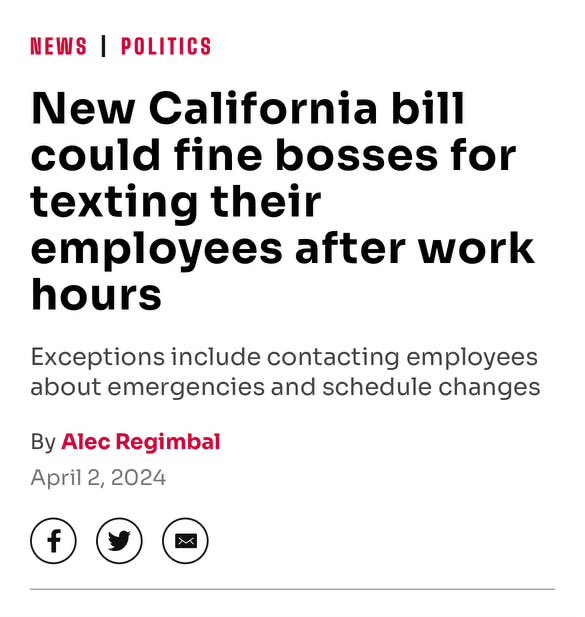
Contrast: the Frenzied CompanyLet's contrast the idea of a Calm Company with that of a Frenzied Company. A frenzied company is perpetually in crisis. They have a culture of impossible deadlines and unrealistic expectations. Managers pressure employees to constantly be "on" and "available," even after work hours.
An implicit—or sometimes explicitly stated—threat hangs over everyone’s head: "If things don’t turn around, jobs will be lost." Managers frequently dump their stress and anxiety on their staff, and employees frequently absorb negative emotions from work. They come home feeling drained and overwhelmed. Financially, frenzied companies aren't profitable (or have bad margins) and need to rely on a continuous influx of investment or debt to keep the lights on. Often, the business's fundamentals are bad and unlikely to improve. Founders at frenzied companies believe pushing harder and working longer will lead to success. But often, the business's underlying structure is rotten. They can't overcome the weight of a bad business model, poor margins, and out-of-control spending. The frenzied company is a cautionary tale. The path to success isn't to "grind harder" but to build products that people want that you can sell with healthy profit margins. My story of calmWhen Jon and I started Transistor, we were in our late thirties. We'd worked for venture-funded companies, experienced layoffs, and felt the squeeze. We asked each other: "Why are we building this business? What's this in service of?" Our conclusion was to design the company to improve our lives. To do that, we needed a strong financial engine. That's not easy (and it takes a bit of luck). But once we had one, we had the power to shape our lives through our decisions: How much financial margin would we keep in the business? How much margin for our time? What about leaving margin for our physical and emotional health? Building a calm company has meant saying no to opportunities that don't align with our values. We've purposefully declined complicated enterprise contracts requiring us to staff up, add more compliance, and sign complicated legal contracts. We try not to commit to projects that burn us out. We've prioritized doing work that we enjoy and that brings customers value. The world needs more indie entrepreneurs building calm businesses. We won't get more calm from publicly traded companies or the over-funded venture-backed class. It will come from the next crop of small, purposefully built indie startups with healthy margins. Cheers, PS: if you liked this newsletter, please share it with a friend!
This newsletter is brought to you by: ⚡ MegaMaker ⚡ |



Justin's newsletter
I'm the co-founder of Transistor.fm (podcast hosting and analytics). I write about SaaS marketing, bootstrapping startups, pursuing a good life, building calm companies, business ethics, and creating a better society.

Hey friends, Join us today, FRIDAY (March 20) at 11 AM Pacific (2 pm EST) for the Panel live! Today, Justin's the host, and he's invited at least ONE surprise guest... Topics: A message from Justin's mom How should small teams be using AI? How Steve Shoger designs with Claude Code OpenAI shuts down Sora Thanks to everyone who shows up in chat + leaves comments. We ❤️ that! Cheers,Justin Jackson – BlueskyBrian Casel – Bluesky | TwitterJordan Gal – LinkedIn | Twitter PS: Did you listen to our...
Happy Monday. I sat down with Daniel Coulbourne and John Drexler (the founders of web agency Thunk) to workshop the launch of their first SaaS product, Tidy. Note: this is a sample of the content I'm releasing over at Marketing for Developers. Tidy is agency management software they built from years of running their own shop: time tracking, invoicing, scheduling, and client agreements all in one place. They'd been using it internally for a while, but now they're opening it up and want help...
Hey friends, Join us today, FRIDAY (March 20) at 11 AM Pacific (2 pm EST) for the Panel live! Today, Jordan's the host, and he's tweaking the format to make the show even better. Topics: Updates from each of us WTF is happening with Polsia? Adam Wathan launches new product Delve was a scam?? Thanks to everyone who shows up in chat + leaves comments. We ❤️ that! Cheers,Justin Jackson – BlueskyBrian Casel – Bluesky | TwitterJordan Gal – LinkedIn | Twitter PS: Did you listen to our last episode?...